
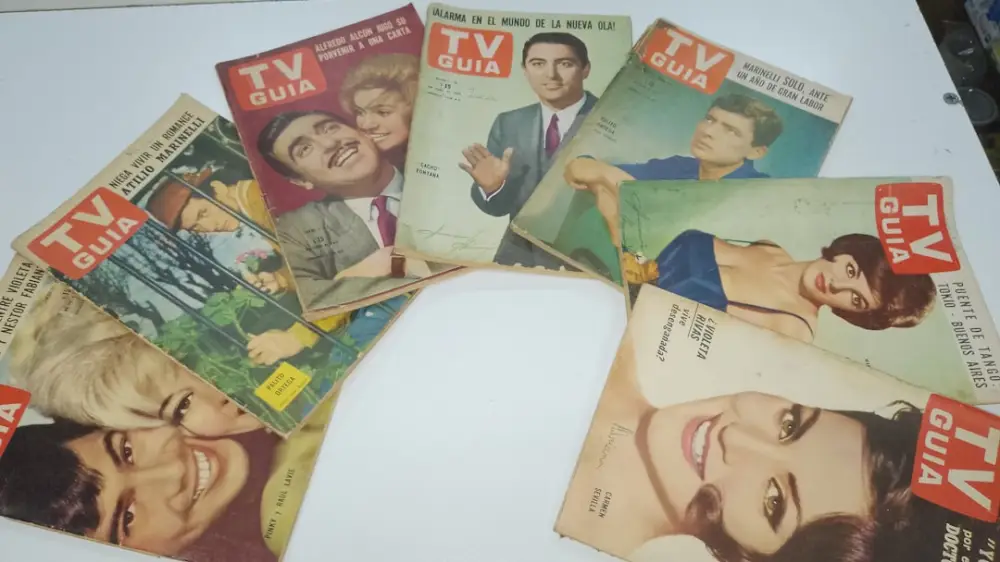
How to find and preserve rare football magazines for your fan collection
The Allure of Vintage Football Print
In an age dominated by instant digital updates and social media scrolls, there is something deeply grounding about holding a vintage football magazine. Whether it is a 1970s edition of World Soccer or a niche fanzine from the early 90s, these physical copies serve as time capsules, capturing the tactical shifts, iconic kits, and legendary personalities of the beautiful game. For many members of our global community at 100 Fanaticos, collecting these relics is more than a hobby—it is about preserving the history of the sport we love.
However, building a high-quality collection requires more than just a passion for the game. It requires a strategic approach to sourcing and a meticulous commitment to preservation. In this guide, we will walk you through the practical steps to finding those elusive issues and ensuring they remain in mint condition for decades to come.
The Hunt: Where to Find Rare Football Magazines
Finding rare magazines is often a game of patience and persistence. Because many of these publications were printed on low-quality paper intended to be discarded, surviving copies in good condition are increasingly hard to find. Here is where you should focus your search:
- Online Marketplaces: eBay remains the gold standard for collectors. Use specific search terms like "vintage football magazines," "original Shoot! magazine 1980s," or "rare soccer fanzines." Setting up saved searches with notifications can give you a head start on new listings.
- Specialized Sports Memorabilia Dealers: Some retailers specialize exclusively in back issues of sports periodicals. Websites like Back Issues or Sports Magazines UK often have curated selections that have already been vetted for quality.
- Charity Shops and Estate Sales: This is where the real bargains are found. While it requires more legwork, digging through boxes at local thrift stores or attending estate sales can lead to "attic finds"—collections that have been sitting undisturbed for years.
- Social Media Communities: Join Facebook groups or subreddits dedicated to football memorabilia. Often, collectors prefer to sell or trade within the community rather than dealing with the fees of major auction sites.
What Makes a Magazine Valuable?
Before you invest, it is important to understand what drives the value of a football magazine. Not every old magazine is a goldmine. Look for these specific factors:
Iconic Covers and Debuts
Magazines featuring the first appearance of a legendary player—such as Pelé, Maradona, or a young Lionel Messi—are highly sought after. Similarly, issues covering major historical events, like the 1966 World Cup final or the 1999 Champions League final, hold significant historical value.
First Issues and Final Editions
The very first issue of a long-running publication is almost always a collector's item. Conversely, the final issue of a defunct magazine can also be valuable to those looking to complete a full set.
Condition and Completeness
A magazine is only as valuable as its condition. Collectors look for "flat" copies with no creases, no missing pages, and—crucially—no clipped coupons. In the past, many fans would cut out pictures or mail-in forms, which significantly devalues the item today.
Preservation: Keeping History Intact
Once you have acquired a rare piece, the real work begins. Paper is fragile; it yellows, becomes brittle, and is susceptible to moisture. To protect your investment, follow these professional preservation steps:
1. Use Acid-Free Sleeves
Standard plastic folders can contain chemicals that damage paper over time. Invest in archival-quality, acid-free Mylar or polypropylene sleeves. These protect the magazine from oils on your hands and dust in the air without leaching chemicals into the ink.
2. Support with Backing Boards
To prevent magazines from bending or curling, slide an acid-free backing board into the sleeve behind the magazine. This keeps the spine straight and the pages flat, which is essential for long-term structural integrity.
3. Control the Environment
Light, heat, and humidity are the enemies of print. Store your collection in a cool, dry, and dark place. Avoid attics (which get too hot) or basements (which are often too damp). UV light from the sun will fade covers remarkably quickly, so if you choose to display a magazine, use UV-protected glass frames.
4. Proper Storage Orientation
While it is tempting to stack magazines vertically like books on a shelf, this can put too much pressure on the spines of thinner issues. For rare magazines, it is often better to store them flat in archival-safe boxes. If you do store them vertically, ensure they are packed snugly enough to stay upright but not so tightly that they compress.
A Quick Checklist for New Collectors
If you are just starting out, use this checklist to ensure you are building a collection that lasts:
- Research the specific era or team you want to focus on to avoid overspending.
- Inspect photos carefully for spine stress, water damage, or handwriting on the covers.
- Purchase archival supplies (sleeves and boards) before your magazines arrive.
- Document your collection in a spreadsheet, noting the price paid and the condition.
- Always handle your rarest issues with clean, dry hands (or even cotton gloves).
The Reward of the Search
Collecting rare football magazines is a journey through the evolution of the sport. It connects us to the fans of previous generations and preserves the narratives that shaped the modern game. By following these practical sourcing and preservation tips, you aren't just hoarding paper—you are becoming a guardian of football history. Whether you are looking for that one elusive 1950s program or building a library of 90s fanzines, the hunt is part of the magic that makes being a football fanatic so rewarding.

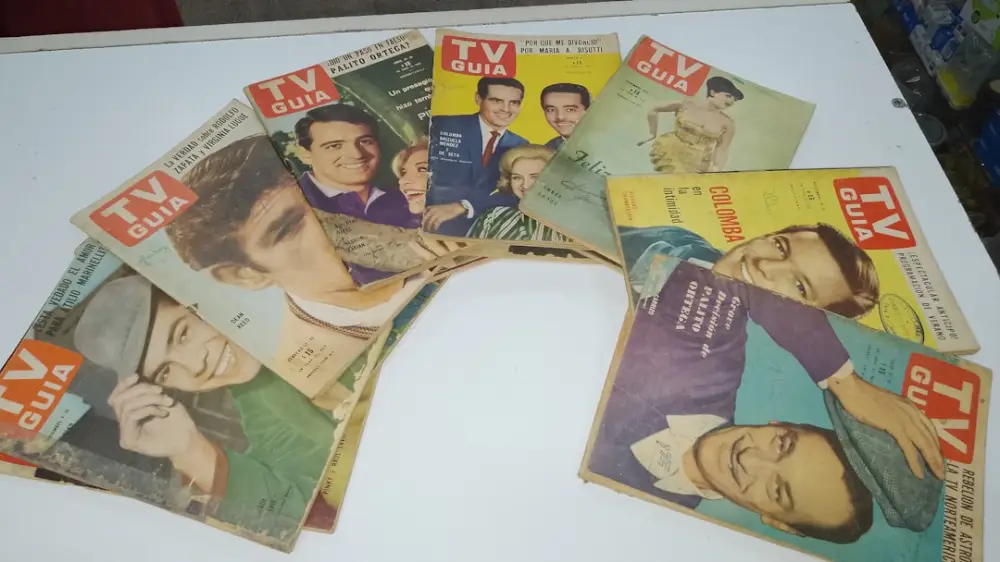
Why we still find magic in the pages of old football magazines
Why We Still Find Magic in the Pages of Old Football Magazines
In an era where live scores are delivered to our wrists in seconds and highlights are available on-demand via social media, the humble football magazine might seem like a relic of the past. However, for many members of the 100 Fanaticos community, these glossy (or newsprint) pages hold a magic that digital platforms simply cannot replicate. There is something profoundly grounding about holding a physical piece of football history in your hands.
Beyond mere nostalgia, vintage football magazines offer a tactile connection to the sport’s evolution. They serve as time capsules, capturing the fashion, the tactics, and the unpolished voices of players before the age of hyper-managed media relations. If you have ever wondered why collectors still hunt for 30-year-old issues of World Soccer, FourFourTwo, or Shoot!, this guide explores the practical reasons for their enduring appeal and how you can start your own collection.
The Unique Value of Print in a Digital World
Digital content is often designed for speed and brevity. In contrast, old football magazines were designed for depth. When you open a magazine from the 1980s or 90s, you are engaging with long-form journalism that had the luxury of time. The writers weren't chasing clicks; they were documenting the culture of the game.
A Visual Archive of the Beautiful Game
Before high-definition digital photography, magazine spreads were the primary way fans saw their heroes in color. The photography in vintage magazines often has a grain and a warmth that modern digital images lack. From the iconic mud-splattered kits of the English First Division to the vibrant, sun-drenched stadiums of Mexico ’86, these images provide a visual texture that helps us understand the atmosphere of the era.
Unfiltered History and Context
Reading an old magazine allows you to experience history as it happened, without the bias of hindsight. You might find an article predicting a young prospect will become the next Pelé, only to realize they faded into obscurity. Or, you might read about a tactical innovation that is now considered standard practice. This context is invaluable for any fan who wants to truly understand the roots of the modern game.
Practical Steps to Starting Your Football Magazine Collection
If you are looking to move beyond digital screens and start a physical archive, you don’t need a massive budget. You just need a bit of patience and a clear focus. Here is how you can practically begin your journey into the world of football print.
Identify Your Niche
The world of football publishing is vast. To avoid being overwhelmed, pick a specific area of interest. You might choose to collect:
- Specific Eras: Focus on the decade you first started following football.
- Major Tournaments: Collect World Cup or European Championship preview and review issues.
- Specific Titles: Aim for a complete run of a specific magazine like When Saturday Comes or Match.
- Club-Specific Coverage: Focus on magazines that featured your favorite team on the cover.
Where to Source Rare Issues
Finding old magazines is part of the fun. Start by checking local second-hand bookstores or charity shops, where sports sections are often overlooked. For more specific searches, online marketplaces like eBay or specialized forums are excellent. Many long-time fans are often looking to pass their collections on to someone who will appreciate them, so keep an eye on community boards and social media groups dedicated to football memorabilia.
How to Preserve and Protect Your Collection
Once you have acquired a few prized issues, you need to ensure they stay in good condition. Paper degrades over time, especially if it is exposed to the elements. Follow these practical maintenance tips to keep your collection pristine:
- Use Acid-Free Sleeves: Store individual magazines in clear, acid-free plastic sleeves. This prevents the paper from yellowing and protects the cover from fingerprints and dust.
- Avoid Direct Sunlight: UV rays are the enemy of print. Store your collection in a cool, dry place away from windows to prevent the colors on the covers from fading.
- Store Flat or Vertically with Support: If you store magazines vertically, ensure they are packed tightly enough that they don't slump and crease, but not so tight that the spines crack. Many collectors prefer storing them flat in archival boxes.
- Handle with Care: Always wash and dry your hands before leafing through an old issue. The oils from your skin can cause permanent staining over time.
Using Old Magazines to Enrich Your Fan Experience
Collecting shouldn't just be about hoarding paper; it should be about enhancing your love for football. Use these magazines as a resource. When a modern team is compared to a classic side from the 70s, go back to your archive and read about that original team. Use the old tactical diagrams to see how the "False 9" or the "Libero" was viewed at the time.
At 100 Fanaticos, we believe that being a fan is about more than just the current 90 minutes on the pitch. It is about belonging to a global story that spans generations. By preserving and reading old football magazines, you are keeping that story alive. You are finding magic in the ink and paper, and ensuring that the heritage of the beautiful game remains a tangible part of our digital lives.
Final Thoughts
While digital media offers convenience, it lacks the soul of a physical magazine. The next time you see a stack of old football magazines at a flea market, take a moment to look through them. You might just find a piece of history that speaks to you, reminding you why we fell in love with this game in the first place. Start small, protect your finds, and enjoy the journey back through the annals of football history.

Why football fans are trading digital feeds for collectible magazines
The Noise of the Infinite Scroll
In the modern era of football, we are constantly bathed in the blue light of our screens. We wake up to a barrage of notifications, scroll through endless Twitter threads debating VAR decisions, and consume 15-second clips of goals before they have even been fully celebrated in the stadium. The digital feed is a torrent—fast, relentless, and often exhausting. It is a world where news becomes old within minutes and where the depth of the game is frequently sacrificed for the speed of the algorithm.
Yet, amidst this digital cacophony, a quiet revolution is taking place. At 100 Fanaticos, we have observed a growing number of supporters who are deliberately stepping away from the screen. They are seeking something more permanent, something they can hold in their hands. They are trading the fleeting dopamine hit of a 'like' for the slow, deliberate experience of a collectible football magazine. This shift isn't just about nostalgia; it is a reflective response to how we consume the sport we love.
The Physicality of Passion: More Than Just Paper
There is a unique intimacy in the act of opening a printed magazine. Unlike a website, which is designed to lead you elsewhere via hyperlinks and ads, a magazine is a closed ecosystem. When you sit down with a publication like Mundial, The Blizzard, or EightEightEight, you are making a commitment to a single narrative. The weight of the paper, the scent of the ink, and the texture of the cover create a sensory experience that digital media simply cannot replicate.
For the modern fanatic, these magazines are not just sources of information; they are artifacts. In a world where our digital footprints are ephemeral and easily deleted, a physical collection represents a tangible history of one’s passion. It is a way of saying, "I was here, and this mattered to me." This tactile connection allows for a deeper level of introspection. You aren't just reading about a tactical shift or a legendary player; you are inhabiting their story in a space free from the distractions of the internet.
Artistry in the Age of Algorithms
One of the primary reasons fans are turning to print is the sheer aesthetic value of these publications. While digital platforms prioritize mobile-friendly layouts and fast-loading images, niche football magazines treat every page as a canvas. Long-form journalism is paired with bespoke photography and custom illustrations that capture the soul of the game in ways a pixelated thumbnail never could.
This focus on artistry reflects a broader desire within the global football community to elevate the conversation around the sport. We are seeing a move away from 'hot takes' and toward 'slow journalism.' Fans are realizing that the beauty of a 3,000-word essay on the decline of a historic club or the rise of a grassroots movement deserves a medium that respects the craft. In these pages, football is treated not just as a result-oriented business, but as a cultural phenomenon.
Why Fans Are Making the Switch
The transition from digital to print is rarely an abandonment of the internet entirely, but rather a rebalancing of the fan experience. Here are a few reasons why the global community is rediscovering the joy of the magazine:
- Intentionality: Reading a magazine requires time and focus, turning football consumption into a mindful ritual rather than a mindless habit.
- Curation: Editors of print magazines act as gatekeepers of quality, offering a curated selection of stories that bypass the clutter of the daily news cycle.
- Longevity: You cannot pass a bookmarked URL down to your children, but a shelf full of iconic magazines becomes a legacy of your life as a supporter.
- Unplugging: In an era of digital fatigue, print offers a much-needed break from screens while still allowing fans to engage with their favorite hobby.
Building a Tangible History for the Global Fan
At 100 Fanaticos, we believe that being a football lover is about more than just the ninety minutes on the pitch. It is about the stories that happen in the stands, the history that lives in the kits, and the community that spans across borders. Digital feeds are excellent for keeping us connected in real-time, but they often fail to capture the weight of these emotions.
When a fan collects a magazine, they are building a personal archive. They are documenting the evolution of the game through their own eyes. There is a profound sense of peace found in revisiting an issue from five years ago and remembering exactly where you were when you first read it. The creases on the spine and the slightly yellowed edges of the pages tell a story of their own—a story of a life lived through football.
The Future is Reflective
As we look toward the future of global fan communities, the trend toward collectible print suggests a yearning for depth. We are beginning to understand that while digital tools connect us, they can also leave us feeling hollow if they are our only source of engagement. The magazine serves as an anchor.
By trading the digital feed for the collectible page, fans are reclaiming their time and their perspective. They are choosing to look at the game through a wider lens, appreciating the nuances that are often lost in the rush to be first. Whether it’s a beautifully shot photo essay on the stadiums of South America or a deep dive into the psychology of a goalkeeper, these stories deserve the permanence that only print can provide.
In the end, football is a game of moments, but our love for it is a journey. Collectible magazines allow us to pause on that journey, to reflect, and to truly appreciate the beautiful game in all its textured, ink-stained glory. For the true fanatic, the feed might provide the news, but the magazine provides the soul.
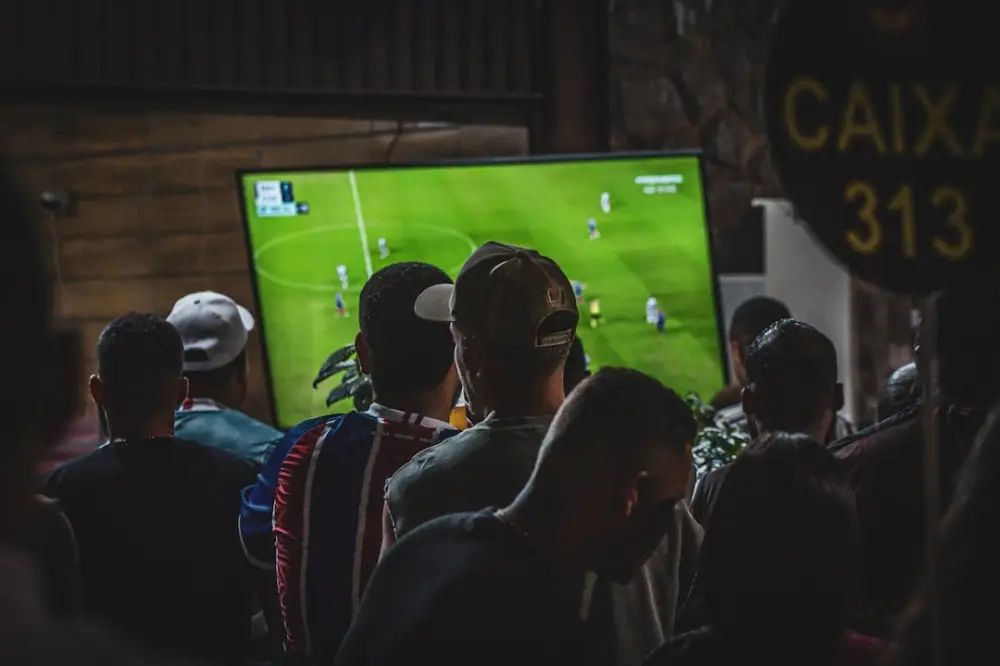
I believe global fan communities are becoming essential for the modern game
The Borderless Stadium: Redefining Football Identity
For over a century, football was a game defined by geography. Your club was determined by the borough you lived in, the factory you worked at, or the family traditions passed down through generations within a five-mile radius of the stadium. However, as we navigate the third decade of the 21st century, the landscape has shifted fundamentally. The 'local' supporter is now joined by a global network of 'Fanaticos' who, despite never setting foot in the city of their chosen club, are becoming the lifeblood of the modern game.
The rise of global fan communities is not merely a byproduct of social media; it is an essential evolution. As football transforms into a truly global entertainment product, the traditional structures of fandom must expand to include those watching from thousands of miles away. These communities provide the cultural and emotional infrastructure that keeps the sport relevant in an increasingly fragmented digital world.
Digital Infrastructure and the Death of Distance
The primary catalyst for this shift is the death of distance. In the past, following a team from another continent meant waiting for delayed newspaper reports or grainy highlight reels. Today, the digital pulse of the game is instantaneous. Through platforms like Discord, X (formerly Twitter), and specialized forums, fans in Seoul, Lagos, and Buenos Aires can engage in real-time tactical debates with supporters in Liverpool or Madrid.
This connectivity has created a 'third space' for football—a virtual terrace where the atmosphere is just as electric as the physical one. These global hubs allow fans to find their tribe, share their rituals, and validate their passion. For the modern game, these digital communities serve as a constant feedback loop, influencing everything from kit designs to transfer rumors.
Why Global Communities are Essential for Clubs
From a purely journalistic perspective, it is impossible to ignore the economic and strategic necessity of the international fan. For the world’s elite clubs, the local market has reached a point of saturation. Growth—both financial and cultural—now depends on the ability to foster a sense of belonging among a global audience. But it goes deeper than just selling jerseys in foreign markets.
Global fan communities act as brand ambassadors. They localize the club’s message, translating the history and values of a team into their own cultural contexts. This grassroots advocacy is far more effective than any corporate marketing campaign. When a fan club in Jakarta organizes a 3:00 AM screening of a match, they aren't just watching a game; they are building a local ecosystem that supports the global brand.
The Cultural Exchange: Beyond the Pitch
One of the most profound impacts of these global communities is the cross-cultural dialogue they facilitate. Football has always been described as a universal language, but global fan networks are putting that theory into practice. Through these groups, fans learn about the socio-political history of different regions, the nuances of local dialects, and the varied ways in which the 'beautiful game' is celebrated.
- Shared Knowledge: Global communities democratize information, allowing fans to access deep tactical analysis and historical context from diverse perspectives.
- Support Systems: For fans living in regions where football may not be the primary sport, these online communities provide a vital sense of belonging.
- Collective Voice: International fan groups are increasingly using their collective power to influence club decisions, from protesting ticket prices to advocating for social justice issues.
- Cultural Localization: Fans often blend their own cultural traditions with club rituals, creating a unique hybrid fandom that enriches the sport's global tapestry.
Balancing Tradition with Global Expansion
While the rise of global communities is essential, it does not come without friction. An ongoing tension exists between the 'legacy' fan—the local season-ticket holder—and the 'global' fan. Critics often argue that international fandom commodifies the sport, stripping it of its local soul. However, an editorial analysis suggests that this is a false dichotomy. The survival of the modern club depends on both.
The challenge for the modern game is to ensure that global expansion doesn't lead to local alienation. The most successful fan communities are those that bridge this gap, using digital platforms to celebrate local traditions while welcoming international perspectives. By viewing global fans not as 'customers' but as 'partners' in the club’s journey, the football world can create a more inclusive and resilient culture.
The Vitality of the New Fanatico
At 100 Fanaticos, we observe that the modern supporter is more informed, more connected, and more demanding than ever before. They are not passive consumers; they are active participants in the narrative of their clubs. This shift is essential because it ensures the sport’s longevity. In an era of competing entertainment options, the deep, communal bonds formed in global fan groups are what keep people coming back to football.
As we look toward the future, the importance of these borderless communities will only grow. They are the engines of innovation, the guardians of club history in digital archives, and the voices that will carry the game into the next generation. Whether you are chanting in a stadium or cheering from a laptop screen, the message is clear: the community is the game.
Conclusion: A New Era of Fandom
The evolution of football into a global phenomenon is irreversible, and global fan communities are the primary reason this transition has been so successful. By breaking down geographic barriers, these networks have created a more vibrant, diverse, and interconnected sport. They are no longer an optional accessory for the modern game; they are its very foundation. In the world of 100 Fanaticos, every voice matters, regardless of where it originates. The future of football is not just played on the pitch—it is built in the hearts of a global community.

The Evolution of Global Football Fans: Digital Home Turfs
The Vanishing Geography of Belonging
For decades, the concept of being a football fan was rooted in the tangible. It was defined by the geography of your birth, the proximity of your home to a stadium, and the generational inheritance of a specific set of colors. To be a supporter was to occupy a physical space—a seat in the North Stand, a stool in the local pub, or a patch of grass in a neighborhood park. The 'home turf' was a literal territory, protected by history and bounded by city limits. Yet, as we navigate the third decade of the twenty-first century, those physical borders are dissolving, replaced by an ethereal, digital landscape that is redefining what it means to belong.
Today, a 'Fanatico' in Jakarta can feel the same visceral heartbreak as a season-ticket holder in Liverpool. The distance of six thousand miles is bridged in a microsecond by a shared notification, a live-streamed goal, or a viral chant. This evolution suggests that the traditional meaning of home turf is no longer a GPS coordinate; it is a state of mind, a digital sanctuary where the global community gathers to worship the beautiful game.
From Local Scarf to Global Screen: A Shift in Identity
There is a quiet introspection required to understand this shift. We must ask ourselves: what happens to the soul of a club when its loudest voices are no longer in the same time zone? In the past, the local community provided the club’s heartbeat. Now, that heartbeat is amplified by a global nervous system. Digital borders have not so much disappeared as they have been repurposed. They no longer keep people out; instead, they serve as the conduits through which new forms of loyalty flow.
The Ethereal Stadium
We are witnessing the rise of the 'Ethereal Stadium.' This is a space that exists nowhere and everywhere at once. It is found in the frantic energy of a Twitter thread during a VAR decision, in the deep analysis of a fan-led podcast, and in the collective celebration of a WhatsApp group. For the modern global fan, 'home' is found in these digital pockets of resonance. The traditional home turf was a fortress of brick and mortar; the new home turf is a tapestry of data, emotion, and shared digital experience.
How Digital Borders are Redefining the Fan Experience
As we reflect on this transition, it becomes clear that the tools of the digital age have fundamentally altered the architecture of fandom. The following elements highlight how the traditional boundaries of the sport have been reimagined:
- The Democratization of Access: No longer is the 'true' fan experience reserved for those who can afford a ticket or live in the shadow of the stadium. Digital platforms have leveled the playing field, allowing every Fanatico to contribute to the narrative.
- Real-Time Emotional Synchronicity: Technology allows for a collective emotional experience that transcends time zones. A last-minute winner creates a global wave of dopamine that hits every continent simultaneously.
- The Virtual 'Third Space': In sociology, the third space is a social environment outside of home and work. For the football lover, digital forums and social media have become the ultimate third space—a virtual pub that never closes.
- Globalized Grassroots Movements: Local supporter groups are now finding inspiration and strategy from peers across the globe, sharing how to organize, advocate, and celebrate their club from afar.
The Emotional Architecture of the Digital Fanbase
There is a certain beauty in the way a digital connection can feel just as authentic as a physical one. When we look at the screen, we aren't just looking at pixels; we are looking at a mirror of our own passion. The evolution of the global fan is, at its core, a story of human connection. We have used technology to overcome the loneliness of distance. A fan in a small town in the Midwest of the United States, wearing a jersey from a team in the Spanish second division, is a testament to the power of digital borders to create niche, meaningful communities.
The Responsibility of the Modern Fanatico
However, this evolution comes with a reflective challenge. As we embrace the global, we must be careful not to erode the local traditions that gave the club its identity in the first place. The digital fan has a responsibility to honor the history of the turf they now virtually occupy. It is a delicate balance—celebrating the future of a globalized game while respecting the roots that planted the seeds of our obsession. Being a part of 100 Fanaticos means recognizing that while our home turfs may be digital, the passion remains profoundly human.
Conclusion: The Future of the Global Game
The traditional meaning of home turf is not dying; it is expanding. It is growing to accommodate the millions of voices that were previously silenced by distance. We are living in an era where the stadium walls have become transparent, and the roar of the crowd is echoed in every corner of the planet. As we look forward, the evolution of the global fan will continue to challenge our definitions of loyalty and belonging.
Ultimately, football has always been about more than just a game; it is about the search for a tribe. In the digital age, that tribe is no longer limited by where you stand, but by what you feel. Whether you are standing on the terraces or sitting behind a glowing screen in the middle of the night, you are part of the same story. The digital borders have redefined the home turf, making the world a smaller, louder, and much more passionate place for every Fanatico.

How to Start Your Own Local Soccer Supporter Group
The roar of the crowd, the sea of colors, and the shared heartbeat of loyal fans this is what makes football more than just a game. If your love for the beautiful game runs deep and you’re looking to build community, starting your own local soccer supporter group is one of the most rewarding ways to show your fanaticism. Here's your comprehensive guide on how to build a passionate fan base from the ground up.
1. Define Your Mission and Identity
Start with a clear purpose. Are you supporting a local club, an international powerhouse, or even a national team? Pick a name, logo, and group values that reflect your passion and uniqueness. Consistency in branding will help you stand out and attract like-minded supporters.
2. Gather the First Core Members
Every great movement begins with a small, loyal circle. Rally a few friends or social media connections who share your passion. These founding members will be your ride-or-die team in organizing meetups, creating content, and recruiting more fans.
3. Create Your Online Presence
Build your community where your audience already is—on social media. Start an Instagram, Twitter (X), and Facebook page. You’ll want a name that’s easy to find with hashtags like #YourClubNameFans or #CityNameSupporters. Create a basic website or landing page with info, sign-up forms, and an event calendar.
4. Choose Your Matchday HQ
Pick a local bar, café, or community hall that’s willing to host watch parties. Make it your matchday home base decorate it with scarves, flags, and banners. Building tradition around a physical place strengthens loyalty and makes recruitment easier.

5. Host Watch Parties & Events
Regular matchday meetups are the beating heart of your fan group. Whether it's Premier League Sundays or midweek Champions League fixtures, consistent gatherings create ritual and identity. Don’t stop there host fundraisers, quiz nights, and jersey swap events too.
6. Collaborate With Local Businesses
Local breweries, sports bars, or merch stores might be interested in sponsoring your events or co-branding merchandise. These collaborations not only fund your group but boost your exposure.
7. Make It Inclusive and Welcoming
Football is for everyone. Make sure your group is inclusive regardless of background, age, or gender. Set a welcoming tone in your group rules, encourage positive chanting, and call out toxicity early.
8. Stay Active Year-Round
During off-seasons or breaks, don’t go silent. Share transfer news, post historical club moments, or organize charity five-a-side games. Staying active keeps the group momentum strong all year.
9. Register with Your Club (If Possible)
Some pro clubs offer official recognition to supporter groups, which can bring perks like access to tickets, merchandise discounts, or club visits. This gives your group added credibility and legitimacy.
10. Measure Your Growth
Track membership numbers, social media growth, and event attendance. Use free tools like Google Analytics or Meta Insights to adjust your strategies and better reach your target audience.
Final Whistle: From Fan to Founder
Starting a soccer supporter group is about more than matchday cheers—it’s about creating culture, identity, and a sense of belonging. If you have the passion, the tools are at your fingertips. It’s time to turn your football fanaticism into a movement.
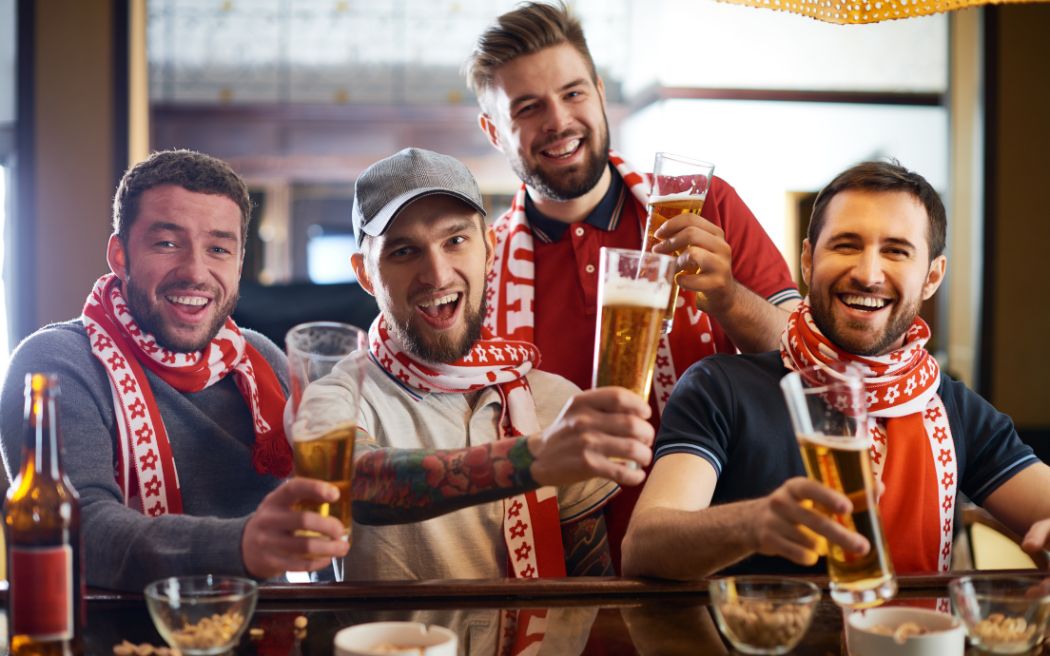
Why Football Fan Clubs Are More Than Just a Game: The Power of Community
In the high-octane world of football, where loyalty runs deep and passion is worn like a badge of honor, fan clubs have emerged as more than just social gatherings, they are vibrant, living communities that shape the soul of the sport. Whether you support a local club or a global giant, being part of a football fan club offers more than chants and matchday rituals. It offers belonging, purpose, and power. Here’s why football fan clubs are essential to the beautiful game and how they continue to change lives both inside and outside the stadium.
1. A Lifelong Bond That Transcends Borders
Football is the global language of passion. Fan clubs unite people across cities, countries, and even continents. Through shared love for a club, language barriers and cultural differences dissolve. From Buenos Aires to Barcelona to Bangkok, football fandom builds international bridges and lifelong friendships.
2. Support Systems Off the Pitch
Fan clubs are often the first to rally when members need help whether it's fundraising for a fan’s medical emergency or organizing local charity work. Many football communities have stepped up in times of crisis, turning raw passion into real-world action. This sense of solidarity gives supporters purpose far beyond cheering for goals.
3. Preserving Traditions & Club Culture
Football clubs may evolve with new managers, stadiums, and kits but fan clubs remain the stewards of tradition. They preserve chants, matchday rituals, and decades of club history. In essence, they are the cultural guardians who make sure that the spirit of the club never fades with time or trend.
4. Amplifying Fan Voices
In the era of corporate football, supporters can often feel like an afterthought. But united fan clubs have power. Through collective action protests, petitions, or even club takeovers supporters have successfully pushed back on ticket hikes, controversial ownership, or unwanted rebrands. When fans speak together, clubs listen.

5. Mental Health and Belonging
Studies increasingly show that belonging to a fan community can boost mental health. The shared identity, weekly engagement, and sense of being part of something bigger helps combat isolation and depression. For many, football isn’t just a hobby, it’s a vital part of emotional wellbeing.
6. Digital Communities for the Next Generation
With the rise of digital platforms, fan clubs aren’t just meeting at pubs or stadiums, they’re thriving on WhatsApp groups, fan forums, and Discord servers. This has opened doors for younger fans or those living far from their team’s home turf to be part of something bigger.
7. Local Impact, Global Legacy
Fan clubs often extend their energy to local communities, organizing food drives, youth football programs, and educational workshops. These efforts leave a lasting impact not just on members, but on neighborhoods and generations.
Final Whistle: It’s More Than Just a Game
At 100 Fanaticos, we believe true fandom goes beyond matchday celebrations. It’s about connection, commitment, and community. Football fan clubs represent the very essence of what it means to belong to feel the heartbeat of the game, even when the stadium lights go out.

The Ultimate Matchday Rituals Every Soccer Superfan Swears By
If you're not dressing in your club’s colors, watching from your lucky spot, or following a strict game-day routine, are you even a true fanático? Across the globe, soccer superfans swear by time-honored matchday rituals that not only fuel their passion but also create an electric connection with the team and the community. From pre-game meals to post-match celebrations (or commiserations), here are the essential rituals that define the die-hard football experience.
1. Wearing the Same Lucky Kit Every Game
Whether it’s a decade-old jersey or a scarf passed down from your grandfather, matchday gear is sacred. Many fans refuse to wash their lucky kits mid-season—why mess with the streak?
2. Pre-Match Pub Meetups
For many, matchday starts at the local pub or supporters’ bar. It’s not just about pints and predictions—it’s a social ritual that builds anticipation and team spirit.
3. Chant Practice and Song Rehearsals
True fanáticos never go silent. The day before the game, superfans refresh their knowledge of chants, create banners, and coordinate with ultras to lead the roar in the stands or in front of the screen.
4. Matchday Meals – Superstitions on a Plate
Some fans eat the same meal before every game. Spaghetti, chicken wings, or meat pies—whatever worked during a win stays on the plate.
5. Game-Time Setup: Screens, Seats, and Surround Sound
Whether watching from the stadium or at home, the game-viewing setup matters. Many fans have a designated seat, volume setting, or even a halftime playlist that never changes.

6. Superstitious Gestures Before Kickoff
Kissing the badge, touching a team photo, or doing a pre-game prayer—these personal rituals give fans a sense of control in an unpredictable game.
7. Social Media Blitz
From live tweeting lineups to sharing memes mid-match, superfans know how to fire up their digital fanbase. Hashtags like #MatchdayMood and #Vamos[TeamName] become rallying cries online.
8. Halftime Habits: Reviews, Refuels, and Rants
Halftime is sacred. Some fans switch shirts, others avoid talking altogether. Many join online forums or WhatsApp groups to debate tactics and vent about the ref.
9. Post-Match Rituals: Win or Lose, Still Fanático
Victory laps, stadium selfies, post-match reviews, or silent reflection—all are part of the emotional rollercoaster. Some fans revisit key match moments or re-watch highlights just to feel the rush again.
10. Weekly Recap and Prep for Next Game
The ritual doesn’t end with the final whistle. True fans analyze stats, watch press conferences, and plan their next matchday in advance. It’s a full-time commitment.
Final Whistle
Matchday rituals are more than just habits—they’re a declaration of loyalty, tradition, and unshakable passion. They connect fans across cultures, languages, and continents. At 100 Fanaticos, we celebrate that spirit. So, whether you’re rubbing your lucky coin or screaming from the terraces, just remember: it’s not superstition if it works.

Top 10 Ways to Show Your Football Loyalty Like a True Fanatico
In 2025, being a football fan is more than just watching the game, it’s about living and breathing your team’s legacy every single day. At 100 Fanaticos, we believe in celebrating fandom to its fullest. Whether you're cheering from the stands or repping your squad online, here are the Top 10 ways to show your football loyalty like a true fanático, the kind that bleeds club colours and lives for every matchday.
1. Wear Your Colours with Pride
Your kit is your armor. Rock your team’s jersey, scarf, or even socks wherever you go. Bonus points for limited edition drops or retro throwbacks from classic seasons.
2. Create a Matchday Ritual
True fanaticos know the power of tradition. Whether it’s a lucky seat, pre-game playlist, or a pre-kickoff meal, keep your matchday routine sacred, it keeps you connected to the game.
3. Support Your Club, Home and Away
If you have the means, attend both home and away games. Traveling fans are the backbone of any loyal base, and nothing beats chanting on the road in hostile territory.
4. Follow the Academy and Women's Teams
A real fan supports the badge, not just the starting eleven. Follow the youth teams, women's team, and even reserve squads—celebrate every goal, every win, every prospect rising.

5. Join Fan Groups and Ultras Online
Online forums, Facebook groups, fan Discords—connect with die-hards worldwide. Being part of a tribe deepens your connection and keeps you in the loop with news and transfer gossip.
6. Defend Your Club with Facts and Passion
True loyalty isn’t blind—it’s informed. Be ready to defend your squad with stats, history, and heart. Educate rivals without trolling. Win with class.
7. Rep Custom Fan Gear and Memorabilia
From signed jerseys to vintage programs, your collection tells your story. Customize your space bedroom, car, or desk with team decor that screams passion.
8. Stay Updated, Stay Vocal
Know your club’s schedule, transfer window rumors, and injury reports. Engage with news, blogs, and podcasts. Tag the club on social, comment on their posts, and keep your voice heard.
9. Pass It On Raise the Next Generation
Whether it's your kid, sibling, or a friend new to the sport, pass down the love. Share your stories, take them to games, and teach them the chants.
10. Live the Values Beyond the Game
Your team stands for something hard work, loyalty, grit. Embody that in your life. Support team charities, volunteer locally, and show that being a fanático is more than football—it’s identity.
Final Whistle
Being a fanatico in 2025 means more than watching highlights and buying jerseys. It’s about belonging, culture, and unwavering love. From showing up to speaking out, let your fandom be fierce and authentic. Because loyalty never goes out of style.