
The Allure of Vintage Football Print
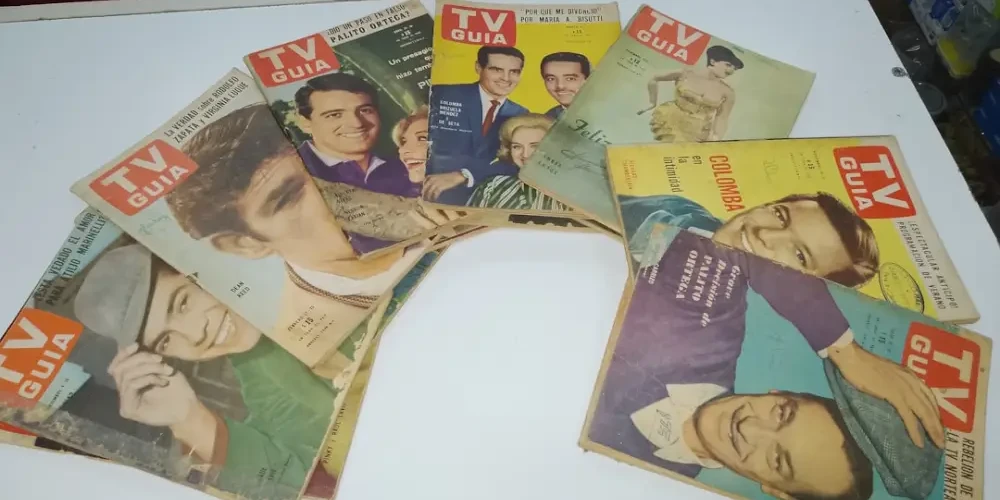
In an age dominated by instant digital updates and social media scrolls, there is something deeply grounding about holding a vintage football magazine. Whether it is a 1970s edition of World Soccer or a niche fanzine from the early 90s, these physical copies serve as time capsules, capturing the tactical shifts, iconic kits, and legendary personalities of the beautiful game. For many members of our global community at 100 Fanaticos, collecting these relics is more than a hobby—it is about preserving the history of the sport we love.
However, building a high-quality collection requires more than just a passion for the game. It requires a strategic approach to sourcing and a meticulous commitment to preservation. In this guide, we will walk you through the practical steps to finding those elusive issues and ensuring they remain in mint condition for decades to come.
The Hunt: Where to Find Rare Football Magazines
Finding rare magazines is often a game of patience and persistence. Because many of these publications were printed on low-quality paper intended to be discarded, surviving copies in good condition are increasingly hard to find. Here is where you should focus your search:
- Online Marketplaces: eBay remains the gold standard for collectors. Use specific search terms like “vintage football magazines,” “original Shoot! magazine 1980s,” or “rare soccer fanzines.” Setting up saved searches with notifications can give you a head start on new listings.
- Specialized Sports Memorabilia Dealers: Some retailers specialize exclusively in back issues of sports periodicals. Websites like Back Issues or Sports Magazines UK often have curated selections that have already been vetted for quality.
- Charity Shops and Estate Sales: This is where the real bargains are found. While it requires more legwork, digging through boxes at local thrift stores or attending estate sales can lead to “attic finds”—collections that have been sitting undisturbed for years.
- Social Media Communities: Join Facebook groups or subreddits dedicated to football memorabilia. Often, collectors prefer to sell or trade within the community rather than dealing with the fees of major auction sites.
What Makes a Magazine Valuable?
Before you invest, it is important to understand what drives the value of a football magazine. Not every old magazine is a goldmine. Look for these specific factors:
Iconic Covers and Debuts
Magazines featuring the first appearance of a legendary player—such as Pelé, Maradona, or a young Lionel Messi—are highly sought after. Similarly, issues covering major historical events, like the 1966 World Cup final or the 1999 Champions League final, hold significant historical value.
First Issues and Final Editions
The very first issue of a long-running publication is almost always a collector’s item. Conversely, the final issue of a defunct magazine can also be valuable to those looking to complete a full set.
Condition and Completeness
A magazine is only as valuable as its condition. Collectors look for “flat” copies with no creases, no missing pages, and—crucially—no clipped coupons. In the past, many fans would cut out pictures or mail-in forms, which significantly devalues the item today.
Preservation: Keeping History Intact
Once you have acquired a rare piece, the real work begins. Paper is fragile; it yellows, becomes brittle, and is susceptible to moisture. To protect your investment, follow these professional preservation steps:
1. Use Acid-Free Sleeves
Standard plastic folders can contain chemicals that damage paper over time. Invest in archival-quality, acid-free Mylar or polypropylene sleeves. These protect the magazine from oils on your hands and dust in the air without leaching chemicals into the ink.
2. Support with Backing Boards
To prevent magazines from bending or curling, slide an acid-free backing board into the sleeve behind the magazine. This keeps the spine straight and the pages flat, which is essential for long-term structural integrity.
3. Control the Environment
Light, heat, and humidity are the enemies of print. Store your collection in a cool, dry, and dark place. Avoid attics (which get too hot) or basements (which are often too damp). UV light from the sun will fade covers remarkably quickly, so if you choose to display a magazine, use UV-protected glass frames.
4. Proper Storage Orientation
While it is tempting to stack magazines vertically like books on a shelf, this can put too much pressure on the spines of thinner issues. For rare magazines, it is often better to store them flat in archival-safe boxes. If you do store them vertically, ensure they are packed snugly enough to stay upright but not so tightly that they compress.
A Quick Checklist for New Collectors
If you are just starting out, use this checklist to ensure you are building a collection that lasts:
- Research the specific era or team you want to focus on to avoid overspending.
- Inspect photos carefully for spine stress, water damage, or handwriting on the covers.
- Purchase archival supplies (sleeves and boards) before your magazines arrive.
- Document your collection in a spreadsheet, noting the price paid and the condition.
- Always handle your rarest issues with clean, dry hands (or even cotton gloves).
The Reward of the Search
Collecting rare football magazines is a journey through the evolution of the sport. It connects us to the fans of previous generations and preserves the narratives that shaped the modern game. By following these practical sourcing and preservation tips, you aren’t just hoarding paper—you are becoming a guardian of football history. Whether you are looking for that one elusive 1950s program or building a library of 90s fanzines, the hunt is part of the magic that makes being a football fanatic so rewarding.
Related Posts
Why we still find magic in the pages of old football magazines
Discover the lasting appeal of vintage…

Why football fans are trading digital feeds for collectible magazines
Explore the shift from digital noise to…

I believe global fan communities are becoming essential for the modern game
Explore why global fan communities are…